CNC machining
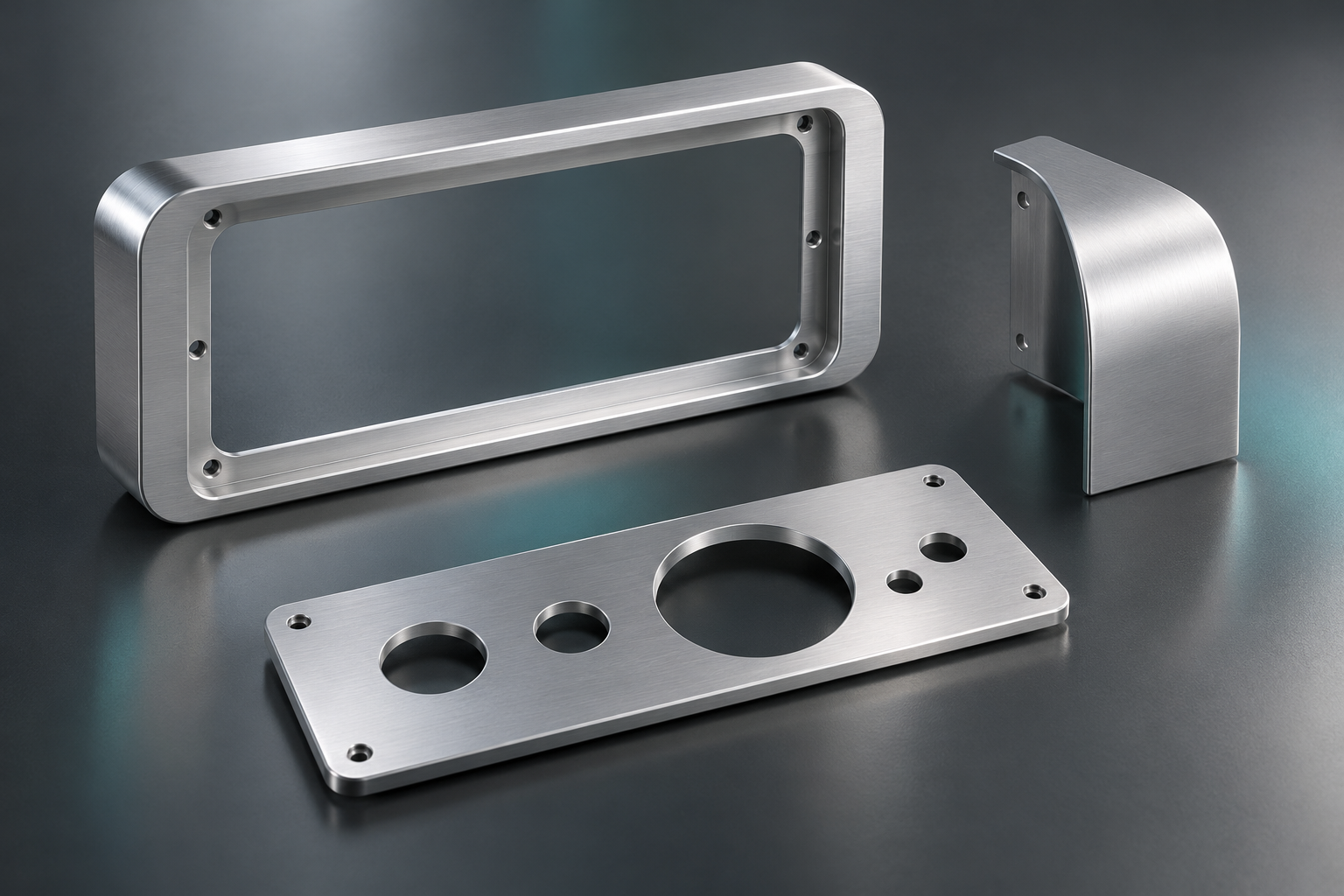
Discuss housing geometry, mounting features and drawing-defined details. Equipment photographs support a discussion, not an automatic promise for every shape or tolerance.

Capabilities
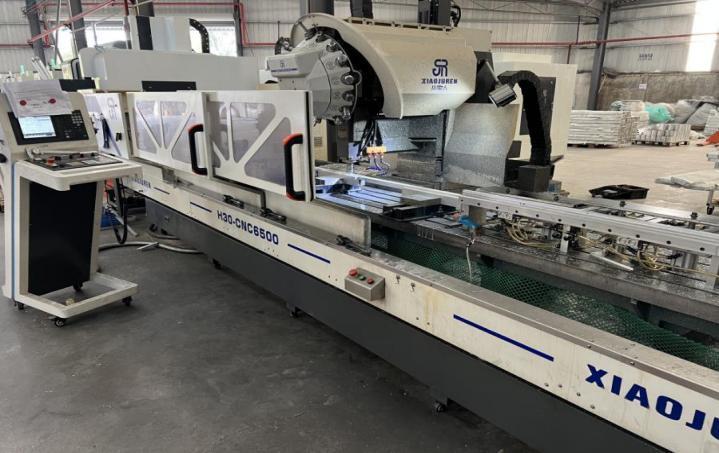
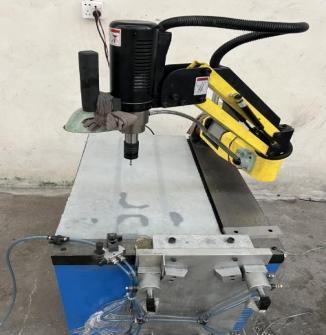
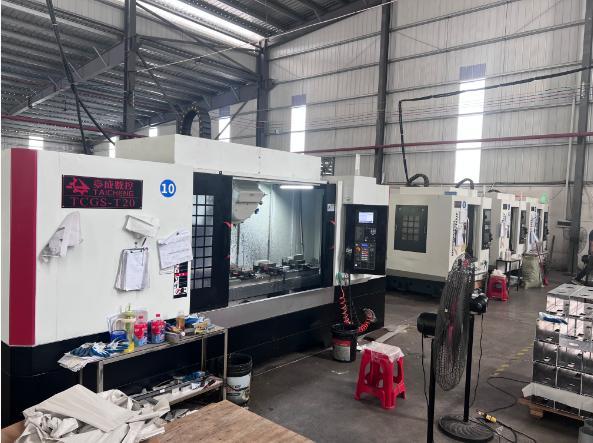
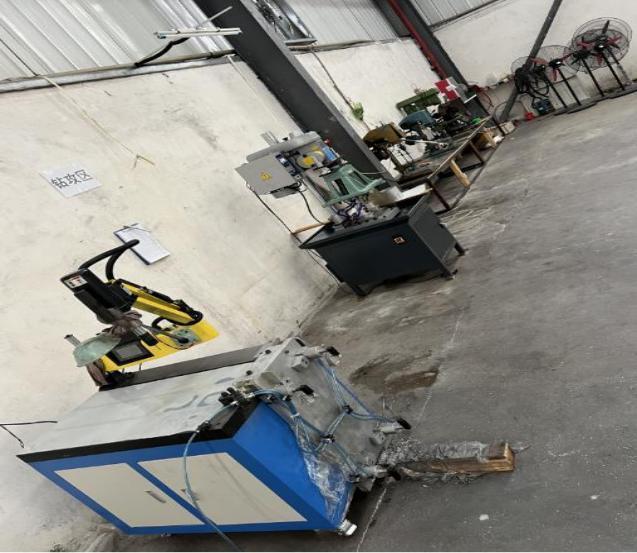
CNC machining, saw cutting and tapping form the documented equipment base. The exact route is reviewed for your component.
Discuss housing geometry, mounting features and drawing-defined details. Equipment photographs support a discussion, not an automatic promise for every shape or tolerance.
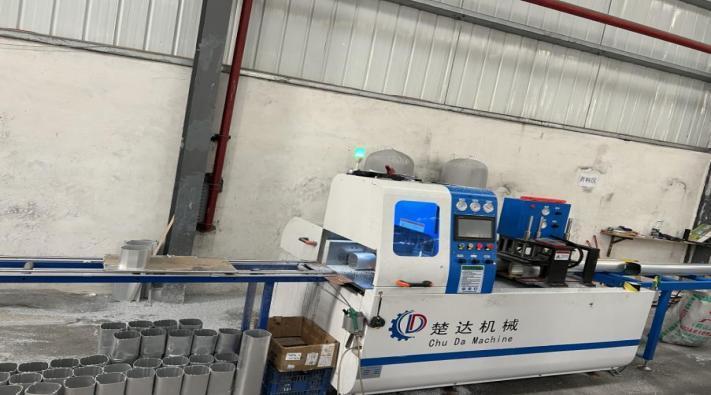
Review the starting workpiece, cut length and allowance needed for subsequent operations.
Specify thread size, location and depth. Identify where threaded features connect to the rest of the assembly.
Share the desired appearance and surface treatment. Process availability, supplier arrangements and the complete delivery scope must be agreed; finishing is not represented as entirely in-house.
Capabilities
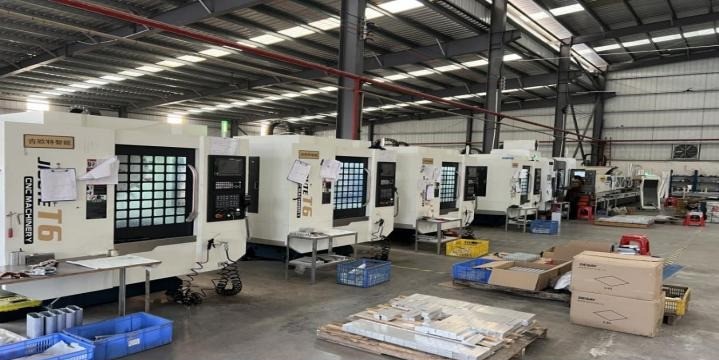
The company profile lists ten machining centers, two tapping machines and two saw-cutting machines. The model references below describe equipment, not machining dimensions.
| Equipment | Quantity | Manufacturing role |
|---|---|---|
| T6 | 4 | Machining center for component processing |
| T7 | 3 | Machining center for component processing |
| 850 | 1 | Machining center for component processing |
| 2500 | 1 | Machining center for component processing |
| 6500 | 1 | Machining center for component processing |
| Semi-automatic swing-arm tapping machine | 1 | Threaded features to drawing requirements |
| Semi-automatic multi-hole positioning tapping machine | 1 | Threaded features to drawing requirements |
| Saw-cutting machines | 2 | Cutting and workpiece preparation |
Inventory as listed in the supplied company profile. Availability and suitability are confirmed per project; model numbers are not travel, workpiece length or tolerance specifications.
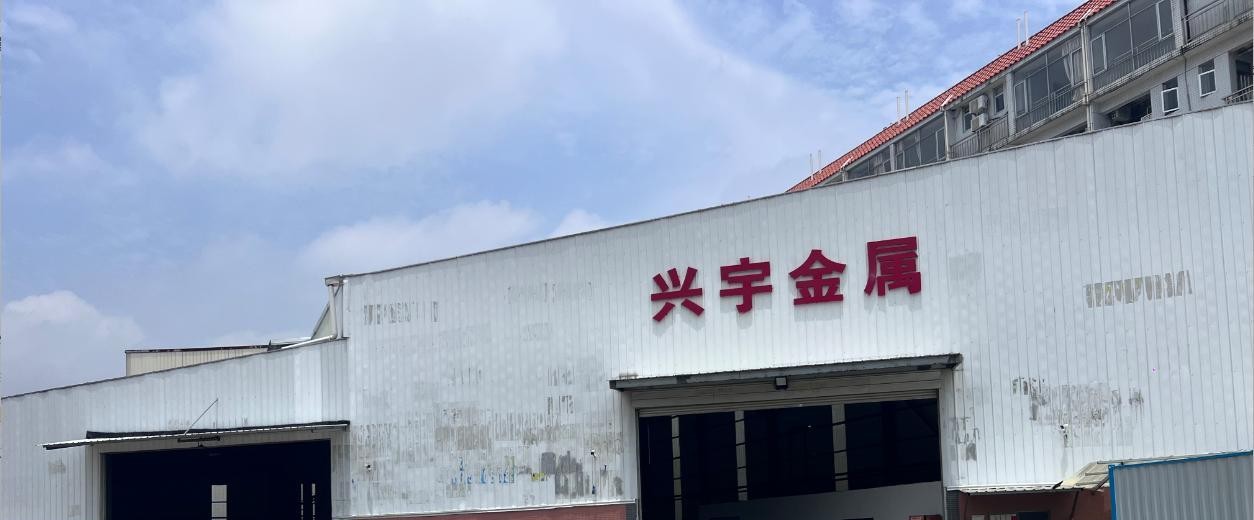
Original images extracted from the company profile. Captions identify the documented area or equipment; they do not attribute any particular customer order to it.
Drawing-led customization
For cosmetic parts, separate visible surfaces from concealed surfaces. Discuss texture, color reference, permitted marks, edge appearance and how the finished part will be accepted.
Read the buyer’s guideDrawing-led customization
A sketch, a drawing or a clear brief is a useful place to start.